Rebuilding Sharp’s
Go-to-Market Strategy

Closing the Gap Between Features and Consumer Value
Sharp’s go-to-market strategy lacked alignment and consistency, creating confusion for consumers, retailers, and sales teams. Marketing content was produced reactively, driven primarily by product teams and focused on feature comparisons rather than consumer needs, benefits, and decision-making context.
As a result, product messaging varied widely across channels and retail partners. Product names, descriptions, and feature callouts were often inconsistent, making it difficult for customers to understand differentiation and value. There was no unified framework for launching products, no anticipation-building ahead of releases, and limited educational content to support consumers during consideration or after purchase.
The opportunity was to transform a fragmented, feature-driven approach into a cohesive, consumer-first go-to-market strategy, one that clarified product value, aligned internal teams, strengthened retail execution, and supported the full customer journey from awareness through ownership.
Building a Consumer-First Launch Framework
I led the overhaul of Sharp’s go-to-market content strategy, transforming a fragmented, product-driven process into a unified, consumer-first framework. Working cross-functionally with product, sales, and retail partners, I established a structured approach to product messaging that aligned internal teams and clarified value for consumers.
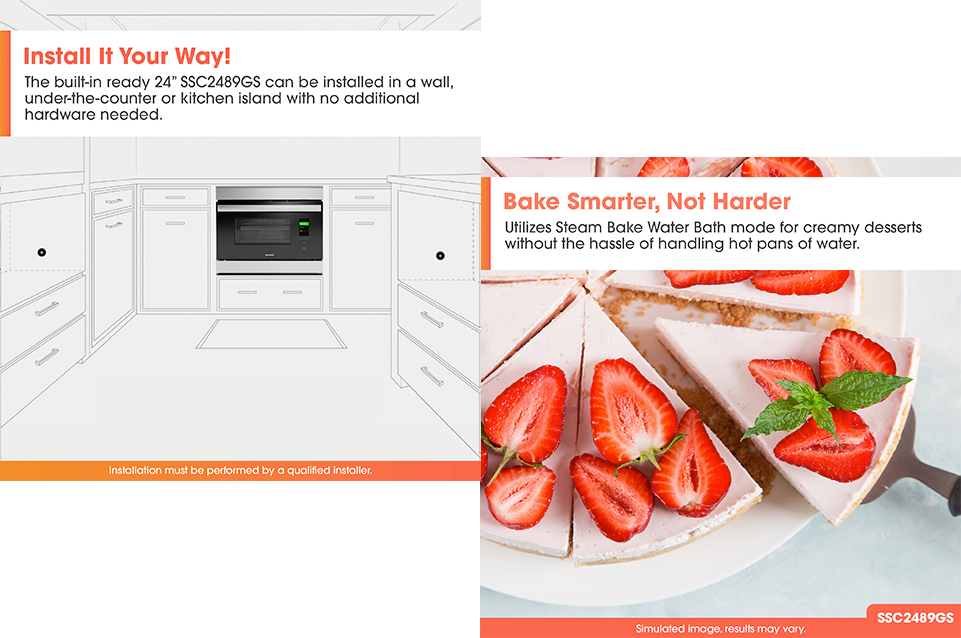
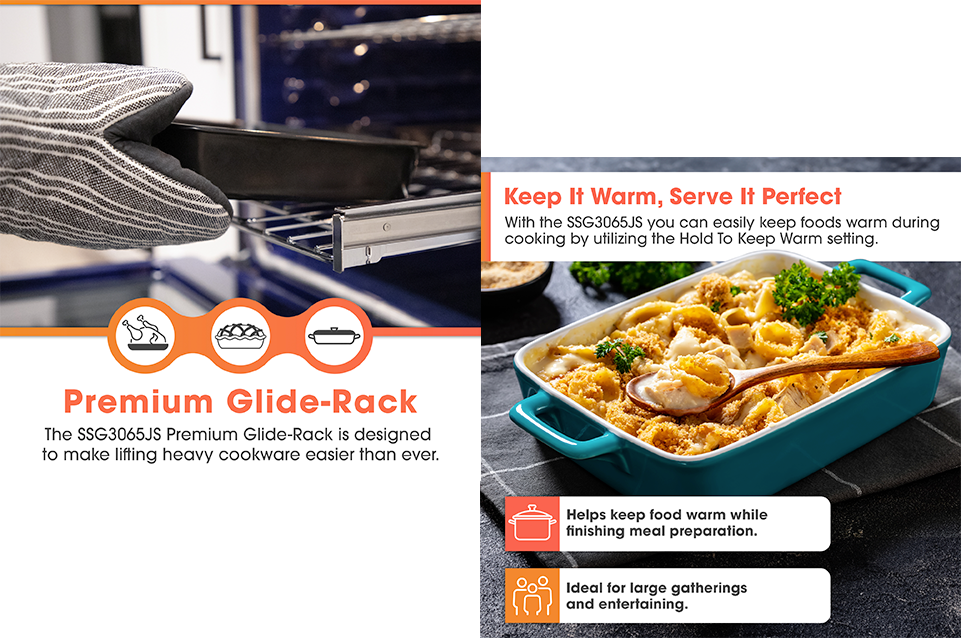
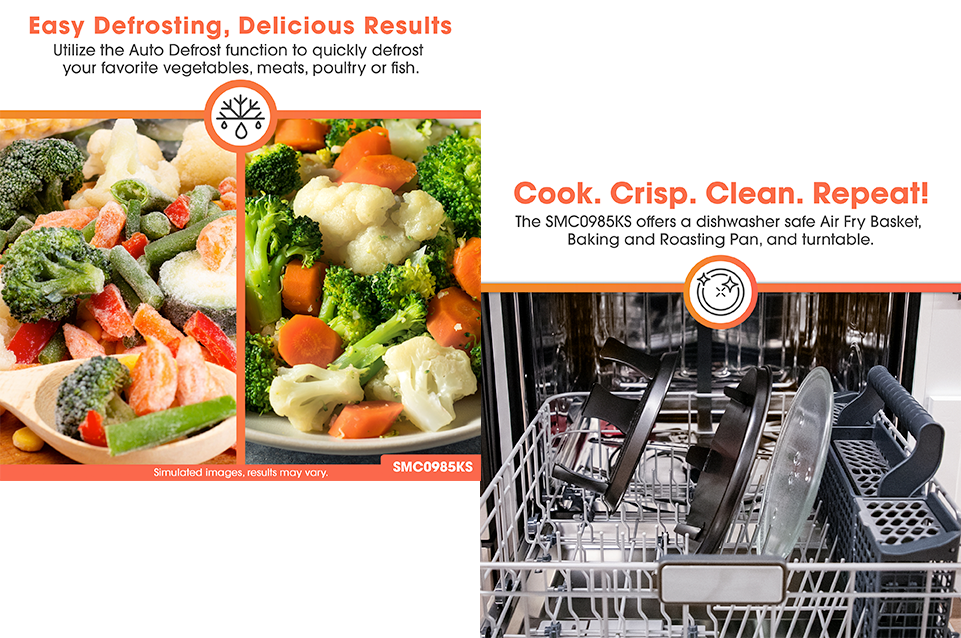
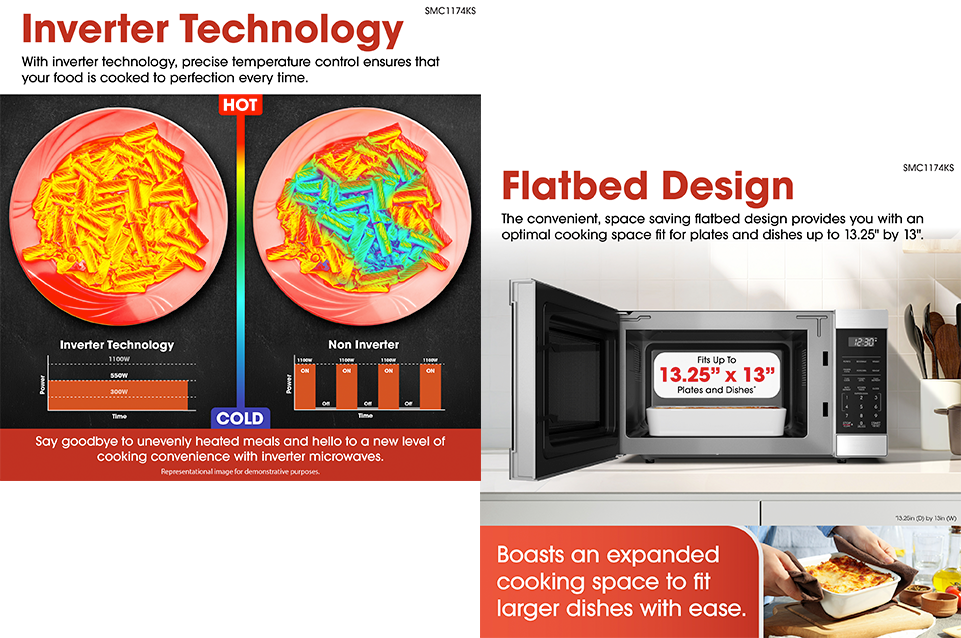
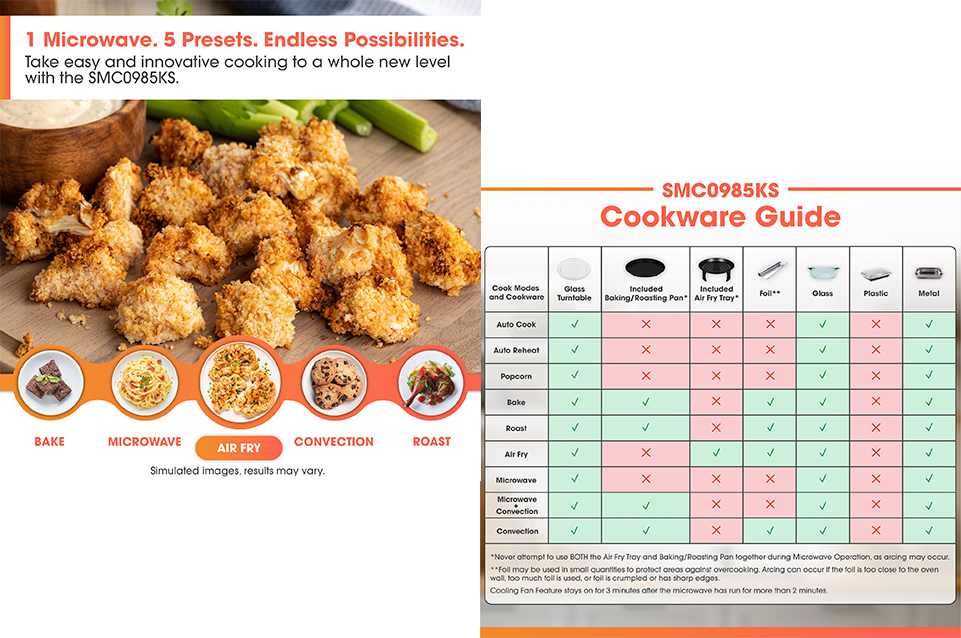
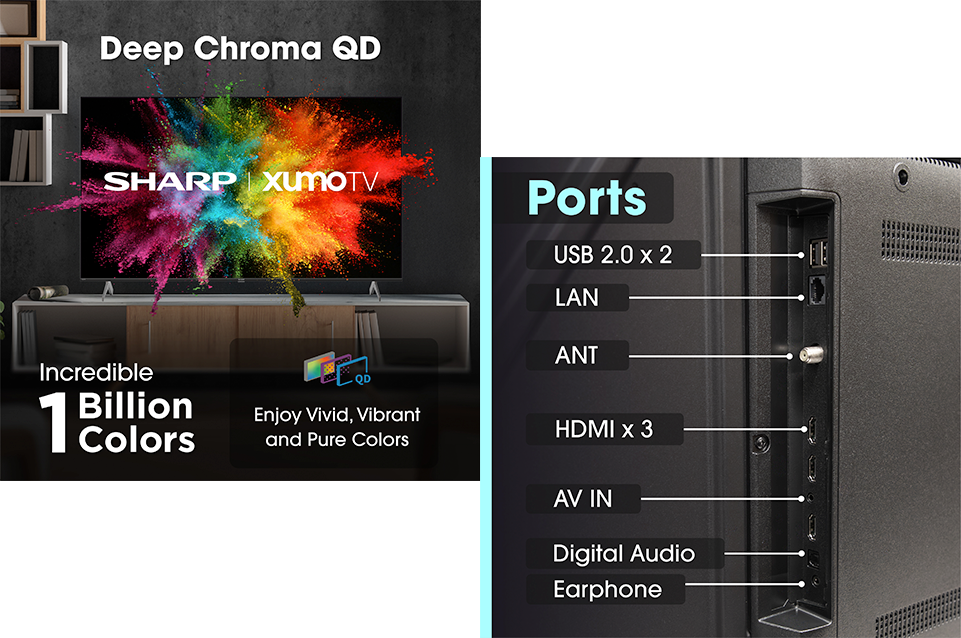
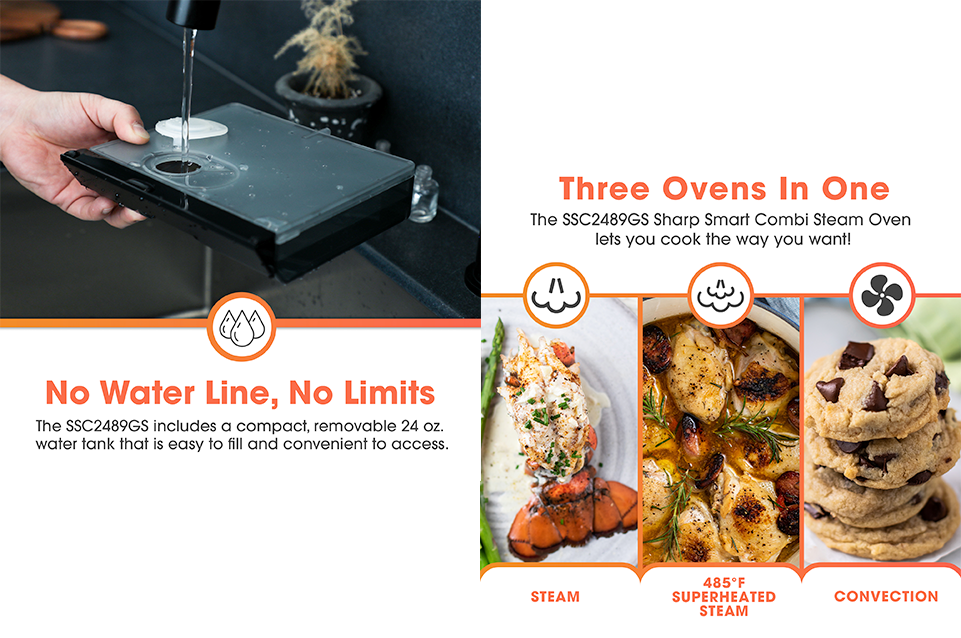
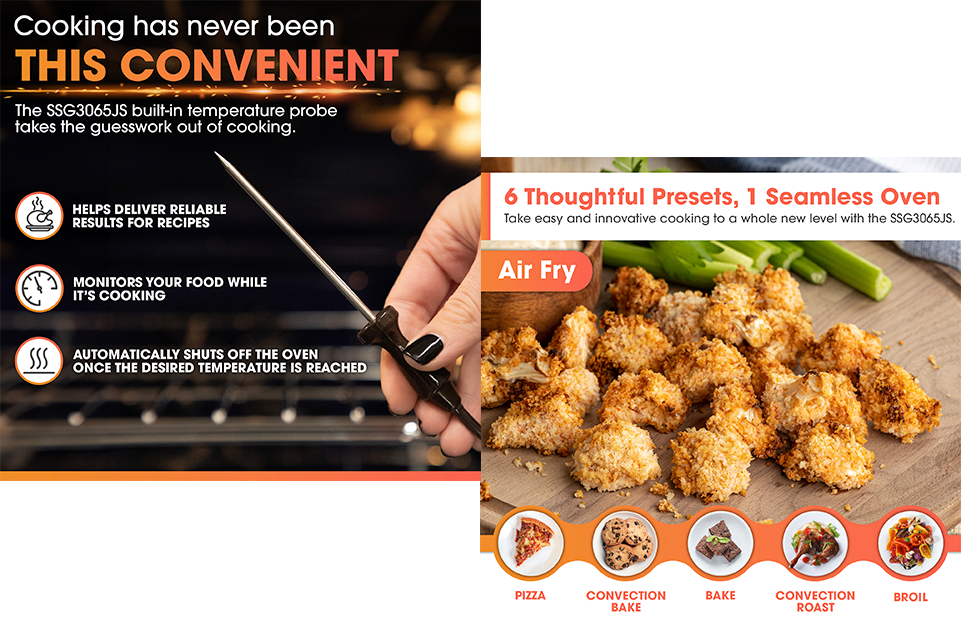
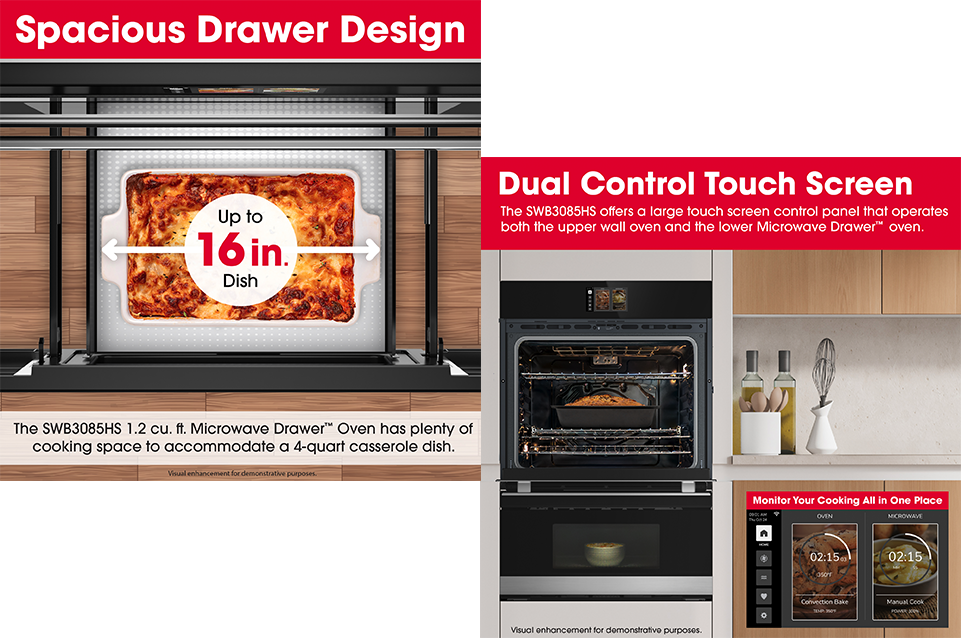
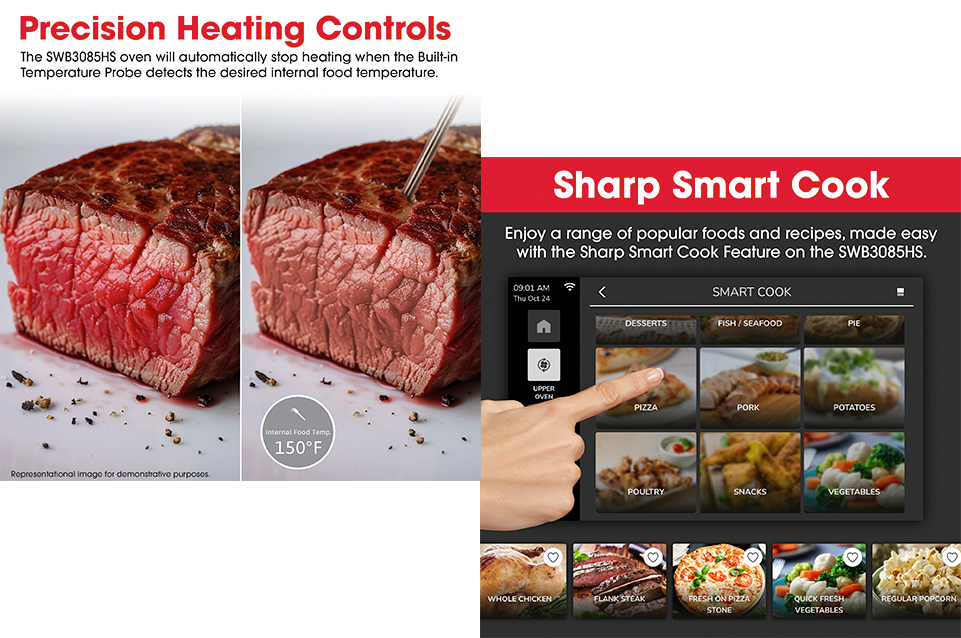
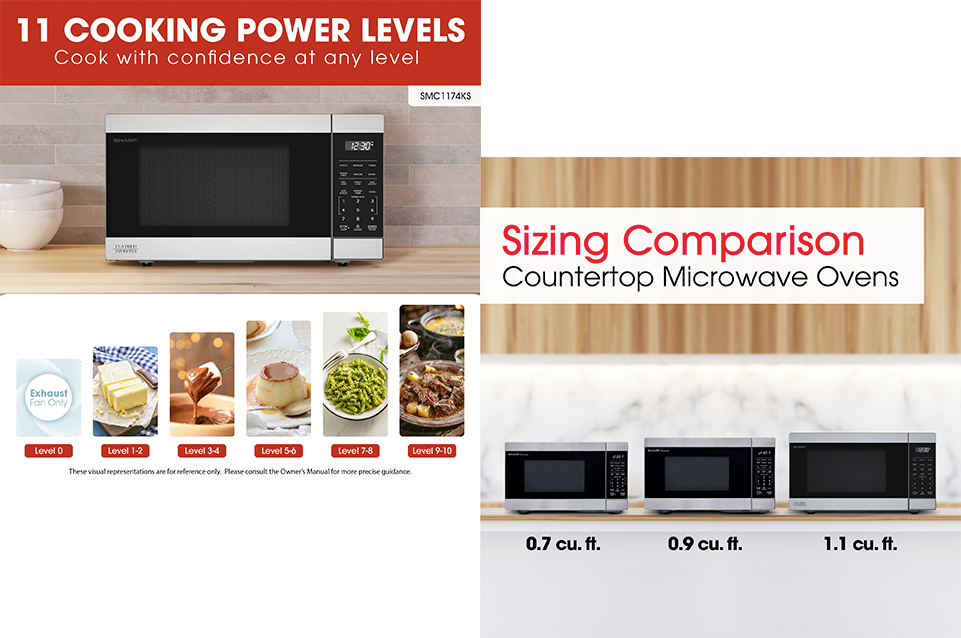
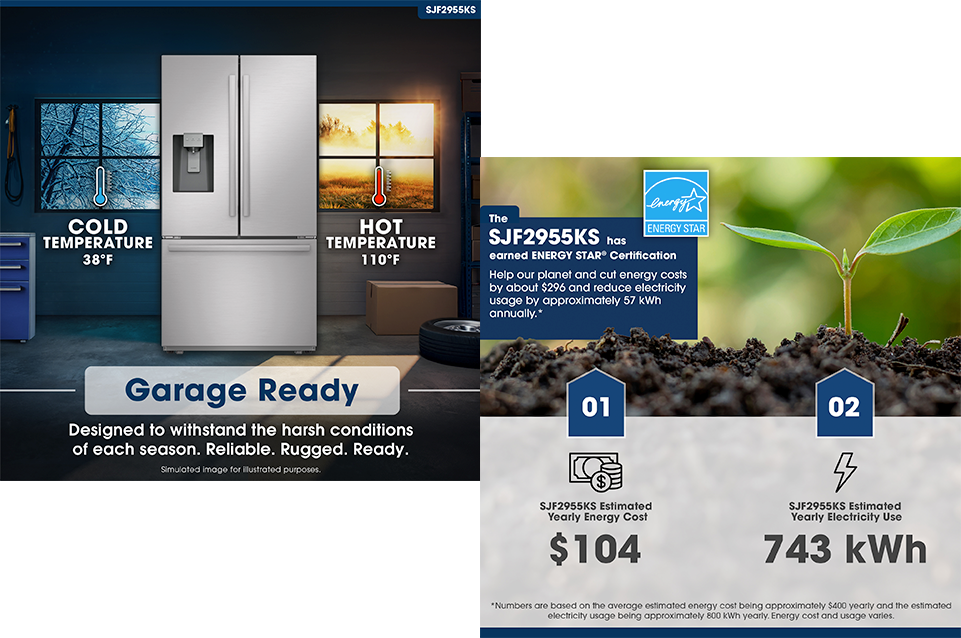
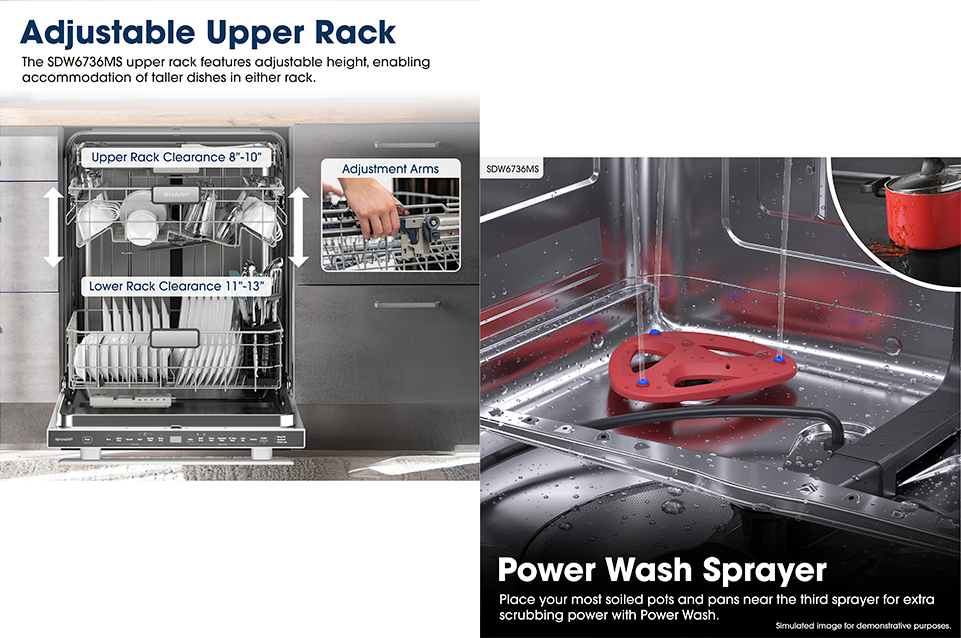
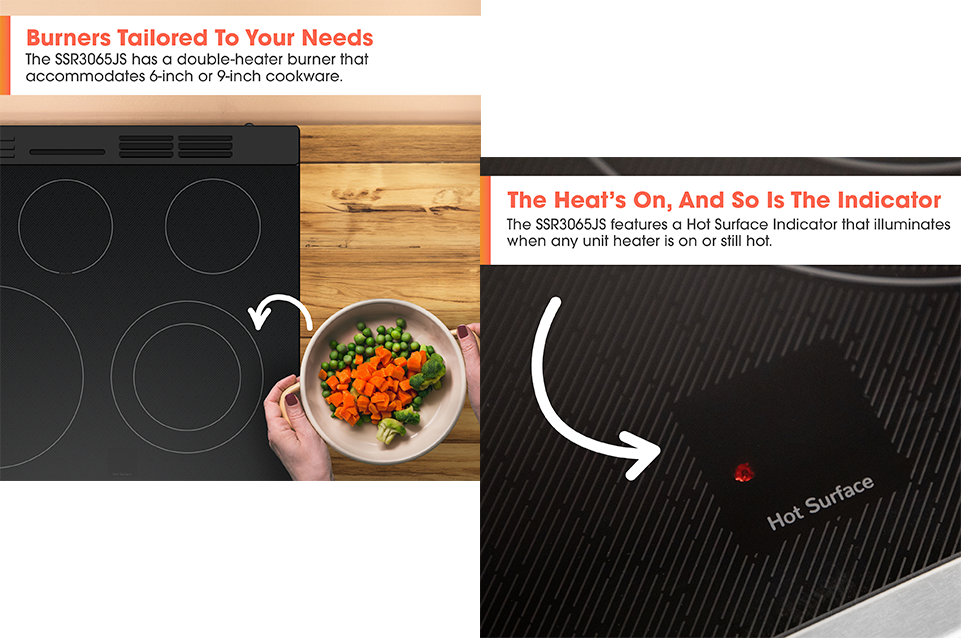
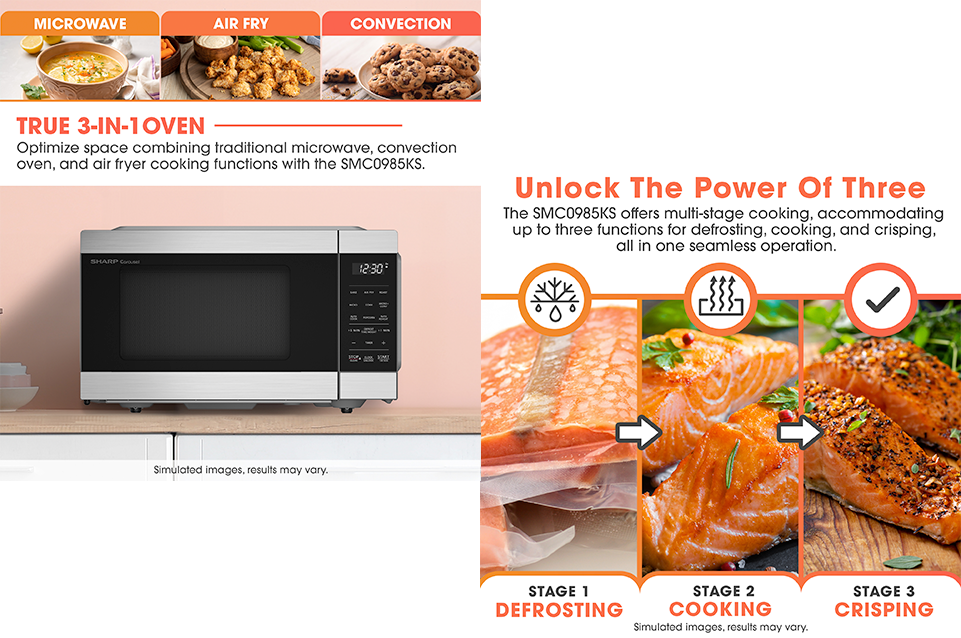
My work began with a deep analysis of product features, competitive offerings, and consumer decision drivers. I reviewed specifications, competitor models, and operational documentation, partnering closely with the product team to identify underutilized or overlooked features and translate them into meaningful consumer benefits. This resulted in the creation of clear, visual product infographics designed to support both in-store and online purchase decisions.
As inconsistencies across retail channels surfaced, I developed standardized marketing copy sheets to serve as a single source of truth for each product launch. These documents aligned product naming, descriptions, feature hierarchies, and advertising copy across all partners, ensuring consistency at scale. I also introduced consumer-friendly product and series naming conventions to replace model-number-driven messaging and improve differentiation.
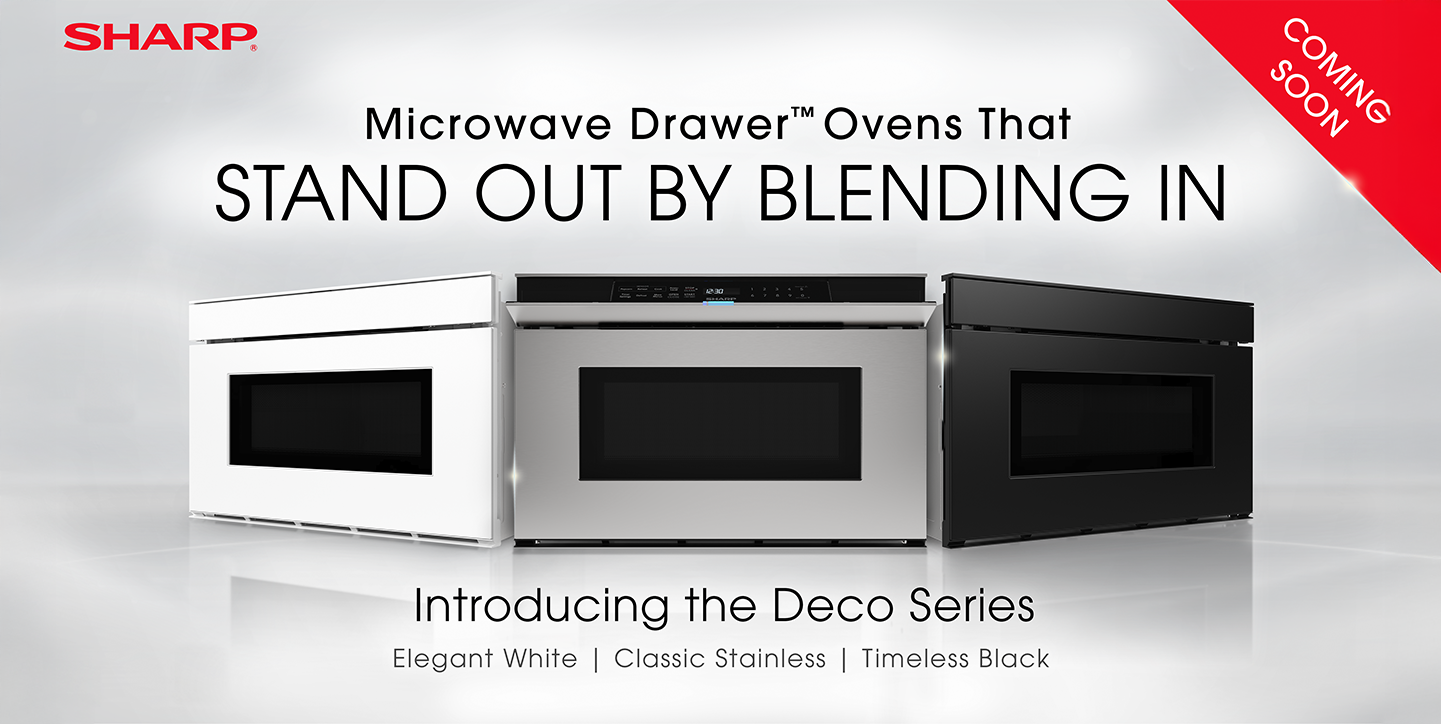
To strengthen launch impact, I introduced anticipation-building tactics including teaser assets and launch-ready creative, bringing an entertainment-style mindset to product releases. I further expanded product support content, prioritizing instructional and support videos to build trust and reduce friction both before and after purchase.
All initiatives were formalized into a comprehensive product launch checklist, establishing clear standards and deliverables required prior to launch and creating a repeatable, scalable process for future products.


Transforming Product Launch Execution
The new go-to-market framework unified product launches around a consumer-first strategy, aligning messaging across teams and retail partners to improve clarity and sales-floor execution. Standardized content, launch assets, and support materials elevated releases, while a formal launch checklist reduced friction, improved speed to market, and created a scalable model for future launches.
Creative Direction/Strategy: Thomas Gerbasio
Storyboarding/Copywriting: Thomas Gerbasio
Creative Production: Thomas Gerbasio, Zachary Jaglowski, Veronica Carreras, Chrstine Galvez